


Prevention from Infection
- Jun 30, 2020
- 6 min read
Updated: Jul 12, 2020
GIF Courtesy for Wix
Infections are caused by microscopic organisms called pathogens, bacteria, viruses, fungi, or parasites that enter the body, multiply, and interfere with normal functions. Infectious diseases are the number one reason for illness and death in humans and over the world. For certain individuals especially those with causal sicknesses such as heart condition or cancer, people who have critical injuries, or people who are taking medications that weaken the immune system it's tougher to avoid getting sick with an infection. That is why it is important to understand how these infections are transmitted especially in this pandemic to avoid getting sick.
In addition, infectious diseases were caused by tiny organisms that moved from person to person. Even though, we all know that microscopic living microbes cause disease, how they are doing isn't always noticeable. Yet, we do know that almost all microbes enter through openings within the body through our noses, mouths, ears, anuses, and genital passages. They will even be transmitted through our skin through insect or animal bites even to a pregnant woman. The most effective way to prevent infections is to hinder pathogens from entering our bodies.
Good hygiene: The Best way to Prevent Infections
The first step of defense is to stay germs cornered by following good personal hygiene habits. Prevent infection before it activates and avoid spreading it to others with these easy measures.
Wash your hands properly
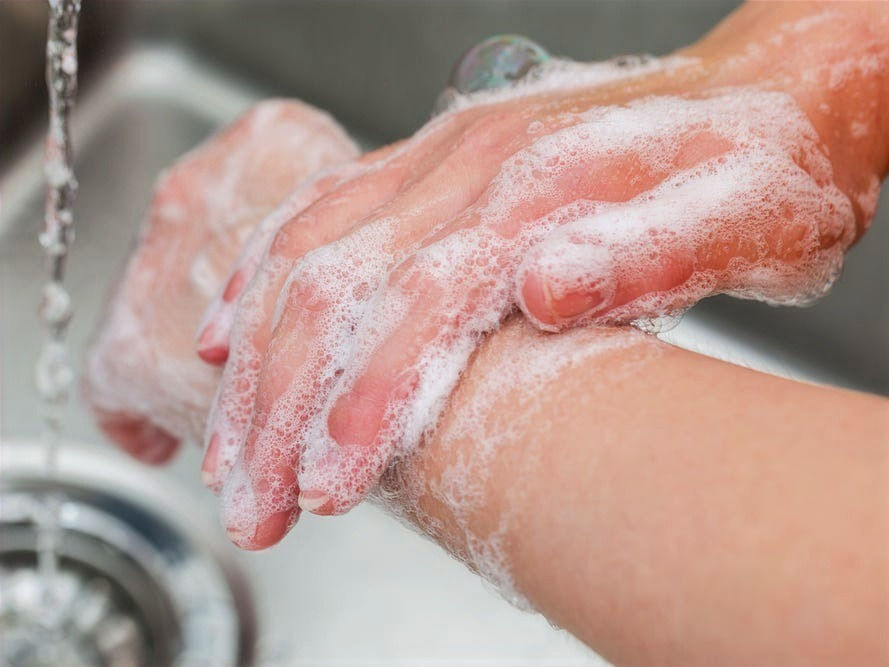
Photo Credit: R. Classes (Shutterstock)
In this pandemic crisis, one of the simplest, easiest, and most crucial ways to block the spread of the virus is to scrub your hands frequently with soap and water. Also, wash our hands after using the lavatory, before preparing or eating food, and after gardening or other dirty tasks. We must wash after touching our nose, coughing, or sneezing, feeding, or stroking your pet or visiting or caring for a diseased person.
Wash our hands for at least 20-30 seconds. We can do this by singing the full happy birthday song, twice. The same goes for hand sanitizer as well, use a sanitizer that contains at least 60% alcohol and rub it into our hands for at least 20 seconds to ensure full coverage. If any serious cut or animal or human bite should be examined by a doctor or wash and bandage all cuts. Do not pick at healing wounds or blemishes, or squeeze pimples and keep away from share dishes, glasses, or eating utensils. Avoid direct contact with napkins, tissues, handkerchiefs, or similar items used by others.
Wear Mask

Photo Credit: Wix Media
The majority change as the outcomes of the COVID-19 pandemic is the growing use of masks publicly since the outbreak continues and some of the countries reopen, local businesses are suggesting and requiring to wear the mask, get a temperature check and practice social distancing to block the spread of the virus. If we are wearing cloth mask due to shortage of medical mask or mostly mask reserved by the frontline health workers, the medical experts from the Cleveland Clinic’s Department of Infectious Disease confirmed that those homemade masks, frequently made of a material like cotton, would not do much to protect us from inhaling particles that carry the virus. But they DO protect mask-wearers from possibly spreading the virus to others. But it is better to avoid staying out unnecessary or #stayhome if you are sick.
Ventilate Regularly
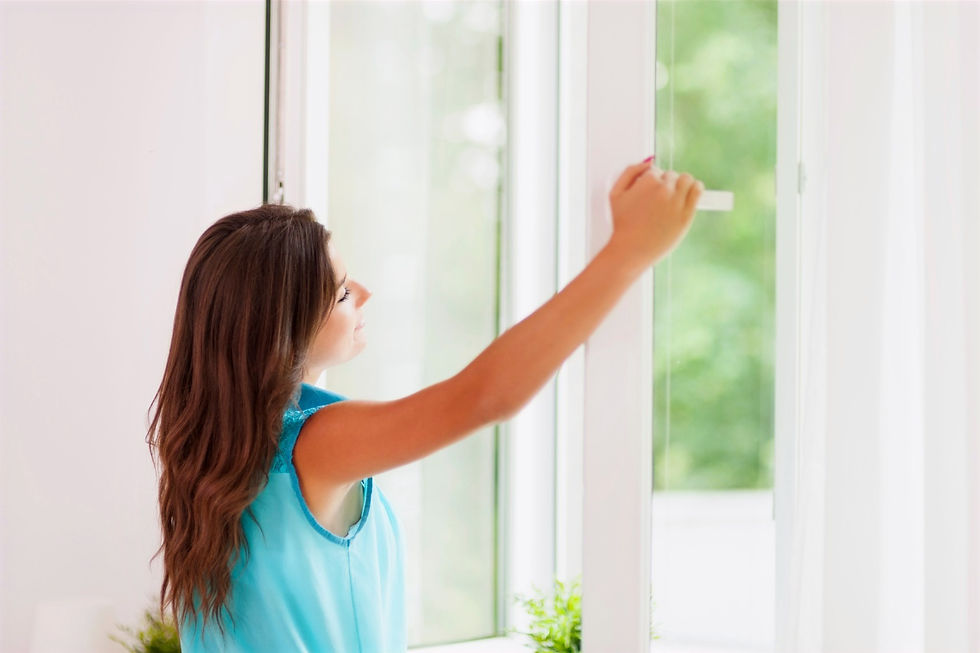
Photo Credit: EcoHouse
In closed rooms, numerous viruses in the air can increase intensely. Consistently ventilate your room (three to four times a day for ten minutes) it neutralizes and thereby lessens the risk of infection. It also improves the indoor climate and blocks the mucous membranes of the mouth and nose from drying out.
Extreme House Cleaning

Photo Credit: Wix Media
Disinfecting and cleaning every day in your house surfaces is a great place to start your summer cleaning during the pandemic. The (CDC) Centers for Disease Control and Prevention advised the public, cleaning a surface can reduce various germs, and then disinfecting it can kill the remaining germs. Use disposable gloves during the process and it is advisable to use the safest products recommended by the Environmental Protection Agency (EPA) against the COVID-19. Such products as Lysol, Dettol, and Clorox. You can dilute bleach as well or use alcohol solutions with 70% alcohol or more. For soft surfaces such as carpets or rugs, just follow typical instructions for cleaning and wash them in warm water.
Decontaminate Your Grocery Bags

Photo Credit: Moving.com
Should we dip our groceries in bleach to prevent exposure to the new coronavirus? Fortunately, No. But proper cleaning of groceries can help us upkeep healthy. Shopping for groceries although carries high risk. Not only you or other people, but many of the products we are purchasing have probably been handled by others and possibly sneezed or coughed on. However, this does not mean we should give up on going to the supermarket. That is not really a possible option for most of us. But we can take a little extra care when handling our groceries to avoid spreading the virus to other people and surfaces in our house. The (WHO) World Health Organization said that in addition to close person-to-person contact, individuals can pick up the virus through touching contaminated surfaces and then touching their eyes, nose, or mouth.
Furthermore, the latest study in the New England Journal of Medicine found that the virus was noticeable on plastic and stainless steel for up to 72 hours, and on cardboard for up to 24 hours. So those items we buy wipe down the cart or basket handles with disinfectant wipes, and wash our hands or use hand sanitizer when you are done, take additional steps to protect ourselves, we might choose to wipe or wash cans and boxes of food before storing them to lessen possible virus content then throw out disposable packaging and wash the tables, countertops, or other surfaces that were touched by our groceries or grocery bags then wash our hands again. If we are using cloth bags, wash them with laundry soap in a washing machine and dry them completely before reusing them.
Get Vaccinated

Photo Credit: Wix from Media
These outbreaks, it reminds us how important vaccines are. When there are available vaccines any illness we must keep our children and ourselves keep updated with that vaccination because without it illness can spread rapidly and leads to serious consequences. For instance, measles, flu, and other sickness remain constant risky. We are lucky enough to have the vaccine protects against these illnesses.
With vaccines, help prepares our immune system to combat infections by introducing an inactivated bacteria or virus into the body so it will not make us ill. Yet, it stimulates our bodies' immune system to produce defense known as antibodies considering you catch the virus, your body's immune system will know how to fight for it. Every flu season many individuals are hospitalized and died caused by flu-related. A yearly seasonal flu vaccine is the best way to help protect against flu. Vaccination has been shown to have many benefits including reducing the risk of flu illnesses, hospitalizations, and even the risk of flu-related death in children. The seasonal flu vaccine protects against the influenza viruses in the research indicated would be most common during the upcoming season.
Additionally, some vaccines are not recommended for certain groups of individuals because there are factors that can determine a person’s suitability for vaccination, or vaccination with a particular vaccine, including a person’s age, health (current and past), and any allergies to influenza vaccine or its components. We must get vaccinated before the flu viruses start spreading our community because it takes about two weeks after vaccination for antibodies to develop in the body and provide protection against flu.
To prevent us and our family get infected take these precautions seriously and pray religiously, follow the standard and procedure (SOP) implemented by the local authorities #practiceahealthylifestyle while at home, and meet our own family doctors if symptoms persist. Therefore, let us help and respect our front liners by #stayingathome, #savelives, and #stayhealthy!
Written by:
Vergara, L.A
30th June 2020
References
B. Braun Medical Group (2020) Coronavirus-How to Reduce Risks https://www.bbraun.com.my/en/patients/infection-prevention-for-patients/coronavirus.html
Centers for Disease Control and Prevention (2020) Key Facts About Seasonal Flu https://www.cdc.gov/flu/prevent/keyfacts.htm
Clinic (2020) Here’s How Wearing a Cloth Mask Helps Fight the Spread of Coronavirus https://health.clevelandclinic.org/heres-how-wearing-a-cloth-mask-helps-fight-the-spread-of-coronavirus/Merz B. (2016) How to Prevent Infections https://www.health.harvard.edu/staying-healthy/how-to-prevent-infections
Miller, D. (2020) How to Keep Your Home Clean During a Pandemic https://freshome.com/inspiration/home-clean-coronavirus-experts/
Radcliffe, S. (2020) Here’s How to Clean Your Groceries During the COVID-19 Outbreak https://www.healthline.com/health-news/worried-about-contaminated-groceries-how-to-be-safe
UNICEF (2020) Everything you need to know about washing your hands to protect against coronavirus (COVID-19) https://www.unicef.org/coronavirus/everything-you-need-know-about-washing-your-hands-protect-against-coronavirus-covid-19
UNICEF (2020) Vaccinations and COVID-19: What parents need to know https://www.unicef.org/coronavirus/vaccinations-and-covid-19-what-parents-need-know

Comments